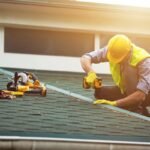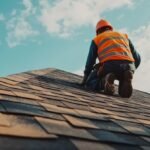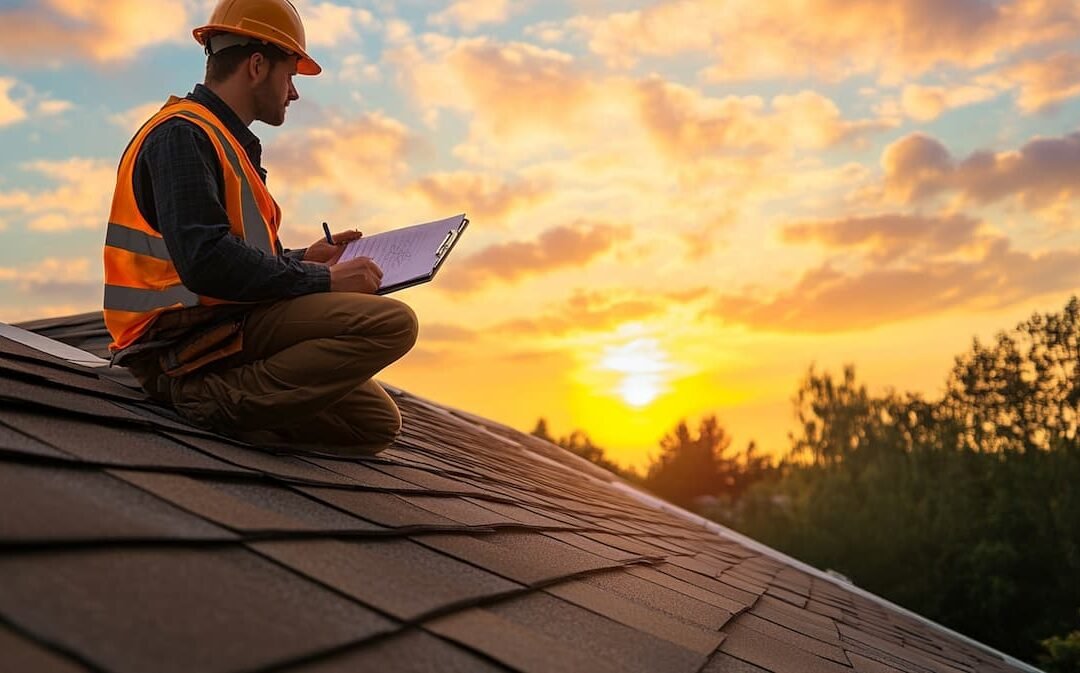
Professional Roof Inspection
Your roof is one of the most important parts of your home or commercial building, yet it’s also one of the most overlooked—until a problem appears. Regular roof inspections are essential for protecting your property, preventing costly repairs, and extending the life of your roofing system. According to FEMA (https://www.fema.gov/), proactive inspections and maintenance play a key role in reducing structural damage and minimizing repair costs, especially after severe weather events.
At Jar Roofing Repair, we believe that an informed property owner makes better decisions. In this article, we’ll walk you through exactly what happens during a professional roof inspection, why it matters, and how it can save you time, stress, and money in the long run.
Why Roof Inspections Are So Important
Many roofing problems start small and invisible from the ground. A missing shingle, a tiny leak, or early signs of wear can quickly turn into:
- Water damage
- Mold and mildew
- Structural issues
- Insulation damage
- Expensive emergency repairs
Regular inspections help identify these issues early—before they become major problems.
When Should You Get a Roof Inspection?
You should schedule a professional roof inspection:
- At least once a year
- After major storms or high winds
- If you notice leaks or water stains
- Before buying or selling a property
- If your roof is more than 10 years old
At Jar Roofing Repair, we also recommend inspections as part of routine home maintenance to ensure long-term roof performance.
Step-by-Step: What Happens During a Professional Roof Inspection?
1. Exterior Roof Evaluation
The inspection begins with a thorough check of the roof’s surface. A professional will look for:
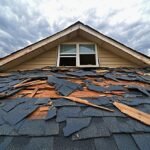
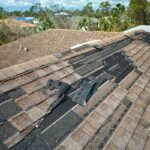
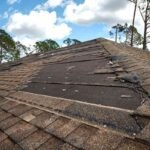
- Missing, cracked, or curling shingles
- Signs of storm or wind damage
- Loose or exposed nails
- Worn or damaged flashing
- Sagging or uneven areas
The goal is to identify any visible signs of wear, damage, or weakness.
2. Inspection of Roof Penetrations and Flashing
Areas around chimneys, vents, skylights, and pipes are common sources of leaks.
Your inspector will carefully check:
- Seals and caulking
- Flashing condition and placement
- Gaps or signs of water intrusion
These small details are often responsible for big problems if not maintained.
3. Gutter and Drainage Check
Proper drainage is critical to roof health. During the inspection, the professional will examine:
- Gutters and downspouts for clogs or damage
- Signs of water backup or overflow
- Fascia and soffits for water damage
Poor drainage can cause water to back up under the roof and damage both the roof and the structure of your home.
4. Structural and Surface Assessment
The inspector will also look for:
- Soft spots or weak areas
- Signs of rot or deterioration
- Uneven or sagging sections
- General structural integrity
These issues may indicate underlying problems that need attention.
5. Interior Inspection (Attic or Ceiling Areas)
A complete roof inspection includes checking the inside of your home as well.
This may include:
- Looking for water stains or leaks
- Checking for mold or mildew
- Inspecting insulation and ventilation
- Identifying signs of moisture or condensation
Sometimes the first signs of roof problems appear inside, not outside.
What Happens After the Inspection?
Once the inspection is complete, you should receive a clear and honest assessment of your roof’s condition.
At Jar Roofing Repair, we provide:
- A detailed explanation of any issues found
- Photos or documentation when needed
- Professional recommendations
- Straightforward advice on whether you need repairs, maintenance, or simply monitoring
Not every inspection ends with a repair recommendation—and that’s a good thing. The goal is to help you plan, not pressure you.
Common Problems Found During Roof Inspections
Some of the most common issues include:
- Loose or damaged shingles
- Failing flashing
- Small leaks or moisture intrusion
- Poor ventilation
- Gutter-related drainage issues
- Early signs of aging or wear
Catching these early can save thousands of dollars in future repairs.
How a Roof Inspection Can Save You Money
A professional roof inspection helps you:
- Avoid emergency repairs
- Extend the life of your roof
- Prevent interior water damage
- Plan repairs on your schedule
- Protect your property value
Small fixes today are far less expensive than major repairs tomorrow.
Why Choose Jar Roofing Repair?
At Jar Roofing Repair, we take pride in providing honest, thorough, and professional roofing services.
We focus on:
- Detailed inspections
- Clear communication
- Practical recommendations
- Quality repairs and workmanship
- Long-term customer satisfaction
Whether you need a simple inspection or more extensive repairs, our team is here to help protect your investment.
📞 To schedule a professional roof inspection, call 732-682-5451 today.
Final Thoughts
Your roof protects everything underneath it—your family, your belongings, and your property. A professional roof inspection is a simple, smart step that helps ensure your roof continues to do its job for years to come.
Don’t wait for a leak to discover a problem. Let Jar Roofing Repair help you stay ahead of issues and keep your roof in top condition.
🌐 Visit us at: https://jarroofingrepair.com/