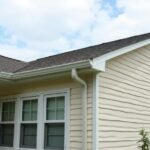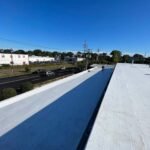
Roof Ready for Spring
Winter weather can be tough on your roof. Snow, ice, freezing temperatures, and strong winds often leave behind hidden damage that may not be obvious at first glance. As spring approaches, making sure your roof is in good condition is essential to protect your home from leaks, structural issues, and costly repairs.
According to the Federal Emergency Management Agency (https://www.fema.gov/), seasonal weather events can cause structural damage to homes, making regular inspections and preventive maintenance critical for reducing long-term repair costs. Proactive evaluations help homeowners identify vulnerabilities before minor issues turn into major problems.
At Jar Roofing Repair, we recommend a thorough seasonal inspection to ensure your roof is fully prepared for spring rain, temperature changes, and increased moisture. This complete inspection checklist will help you understand what to look for and when to call a professional.
Why Spring Roof Inspections Are Important
Spring is one of the most important times of year for roof inspections. Damage caused during winter often becomes visible once the weather warms up. Small issues left untreated can quickly escalate into serious problems.
A spring roof inspection helps:
- Identify winter-related damage early
- Prevent leaks and water intrusion
- Extend the lifespan of your roof
- Avoid expensive emergency repairs
Proactive maintenance protects both your roof and your home’s interior.
Check for Missing or Damaged Shingles
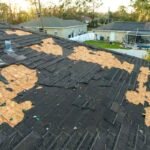
Shingles are your roof’s first line of defense. Winter storms and high winds can loosen, crack, or completely remove shingles.
During your inspection, look for:
- Missing shingles
- Cracked or curled shingles
- Loose or lifted edges
- Areas with visible wear
Damaged shingles expose the roof deck to moisture and should be addressed promptly.
Inspect Flashing Around Roof Penetrations
Flashing seals vulnerable areas where the roof meets chimneys, vents, skylights, and walls. Over time, flashing can loosen or crack due to temperature fluctuations.
Signs of flashing issues include:
- Gaps or separation
- Rust or corrosion
- Loose or bent metal
Faulty flashing is a common source of leaks and should be repaired by a professional.
Examine Gutters and Downspouts
Gutters play a critical role in directing water away from your roof and foundation. Winter debris, ice buildup, and fallen branches can cause clogs or damage.
Spring inspection should include:
- Removing leaves and debris
- Checking for sagging or loose sections
- Ensuring downspouts are clear and directing water away from the home
Proper drainage helps prevent water damage and roof deterioration.
Look for Signs of Water Damage or Leaks
Not all roof problems are visible from the outside. Interior signs often indicate underlying issues.
Check your home for:
- Water stains on ceilings or walls
- Peeling paint near rooflines
- Damp attic insulation
- Mold or mildew odors
These warning signs suggest your roof may not be watertight.
Inspect the Attic for Ventilation Issues
Proper attic ventilation is essential for roof health. Poor ventilation can trap moisture and heat, leading to mold growth and premature roof aging.
During inspection, look for:
- Excess moisture or condensation
- Mold or mildew
- Blocked vents
Balanced ventilation helps regulate temperature and protects roofing materials.
Check for Sagging or Structural Concerns
A sagging roofline may indicate structural damage caused by moisture buildup or prolonged snow load during winter.
Signs of concern include:
- Uneven rooflines
- Soft or spongy areas
- Cracks in interior walls or ceilings
Structural issues should always be evaluated by a professional roofing contractor.
Trim Overhanging Tree Branches
Branches hanging over your roof can scrape shingles, drop debris, and increase the risk of damage during storms.
Spring is a good time to:
- Trim back overhanging branches
- Remove dead or weak limbs
- Reduce debris buildup on the roof
This simple step helps prevent future damage.
When to Call a Professional Roofer
While homeowners can perform basic visual inspections, some issues require trained expertise. Professional roof inspections identify problems that may not be visible to the untrained eye.
At Jar Roofing Repair, professional inspections ensure:
- Accurate damage assessment
- Safe evaluation of hard-to-reach areas
- Proper repair recommendations
Timely professional service can save you money and stress.
Schedule Your Spring Roof Inspection Today
If you’re wondering, “Is your roof ready for spring?” a professional inspection is the best way to be sure. Addressing issues early helps protect your home throughout the rainy season and beyond.
📞 Call Jar Roofing Repair at 732-682-5451 to schedule your spring roof inspection today.
🌐 Visit our website: https://jarroofingrepair.com/
Roof Ready for Spring Roof Ready for Spring Roof Ready for Spring Roof Ready for Spring Roof Ready for Spring Roof Ready for Spring