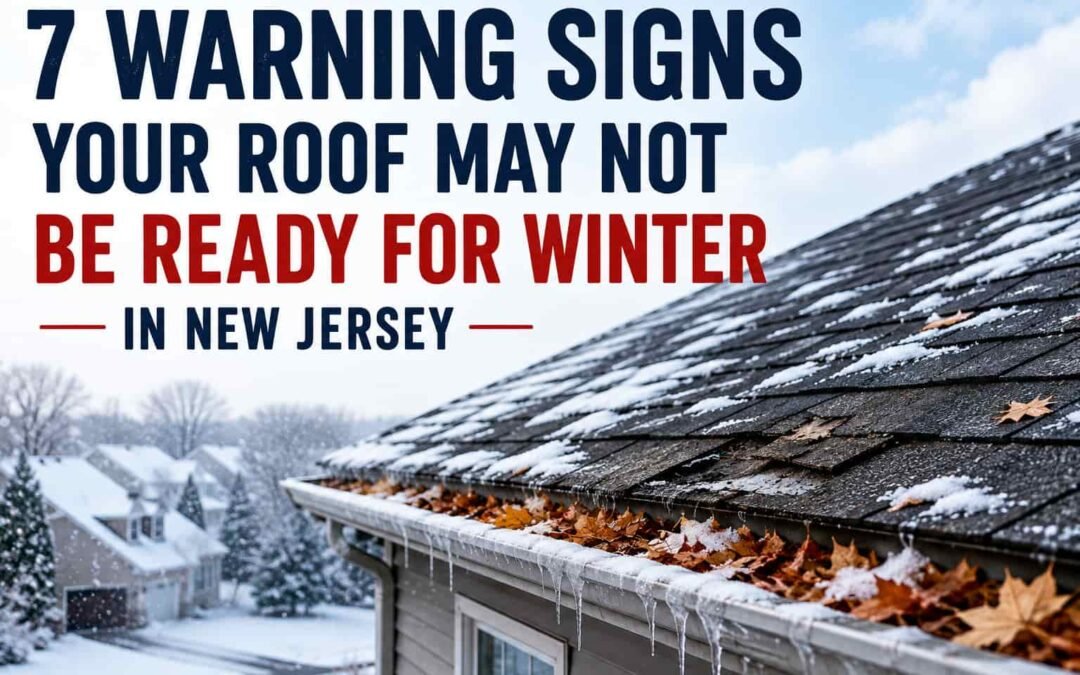
winter roof preparation NJ
Winter can expose roofing problems that were easy to overlook during warmer months. Damaged shingles, deteriorated flashing, small leaks, clogged gutters, and moisture problems can become much more serious once a New Jersey roof is exposed to freezing temperatures, snow, ice, wind, and repeated freeze-thaw cycles. The National Weather Service offers winter weather safety guidance, making preparation an important part of protecting your home before severe winter conditions arrive.
The best time to find out whether your roof is ready for winter is before severe winter weather arrives. Homeowners should look for missing or damaged shingles, recurring leaks, deteriorated flashing, clogged drainage, attic moisture, sagging areas, and evidence that previous roof repairs are beginning to fail.
At Jar Roofing Repair, we believe the objective isn’t to automatically replace an older roof. It’s to identify the actual problem, determine the condition of the roofing system, and recommend whether maintenance, repair, or replacement makes the most sense. Proper winter roof preparation in NJ can help homeowners address potential roofing problems before winter weather makes them more difficult and expensive to resolve.
Why New Jersey Homeowners Should Check Their Roof Before Winter
Your roof doesn’t suddenly develop problems because winter arrives.
In many cases, the weakness already exists.
Winter weather can simply make that weakness much harder to ignore.
A small opening that allows occasional water intrusion during rain may become more problematic when the roof experiences snow, ice, wind, and fluctuating temperatures.
That’s why a pre-winter roof inspection can be valuable.
Instead of asking:
“How old is my roof?”
A more useful question is:
“What condition is my roof in right now?”
Here are seven warning signs worth paying attention to.
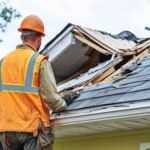
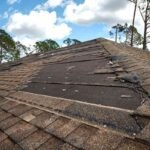
1. Missing, Loose, Cracked, or Damaged Shingles
Start with one of the most visible parts of your roofing system: the shingles.
Look from the ground for areas that appear different from the surrounding roof.
Warning signs can include:
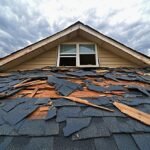
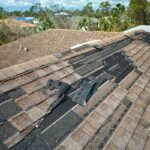
- Missing shingles
- Lifted shingles
- Cracked shingles
- Curling edges
- Visibly damaged sections
- Shingles that appear displaced after storms
- Areas with significant deterioration
One or two damaged shingles don’t automatically mean you need a complete roof replacement.
If the damage is localized and the surrounding roofing system remains in serviceable condition, a repair may be possible.
The bigger concern is widespread deterioration.
When problems appear throughout multiple sections of the roof, it may be time to evaluate the roofing system as a whole rather than continuing to repair individual areas.
2. You’ve Already Noticed a Roof Leak
Don’t wait for a small leak to become a major leak.
Water stains on ceilings or walls are obvious warning signs, but roof leaks aren’t always dramatic.
Homeowners should also watch for:
- Damp attic insulation
- Discolored ceiling areas
- Peeling paint
- Moisture around chimneys
- Dampness around vents
- Musty odors in the attic
- Water appearing only during heavy rain
- Recurring stains after previous repairs
One important point is frequently misunderstood:
The place where you see water inside your home isn’t necessarily directly below the location where water entered the roof.
Water can travel along components before becoming visible.
That’s why simply repairing shingles directly above an interior stain may not solve the actual problem.
A roofing inspection should attempt to identify the source of the water intrusion, not merely the visible symptom.
3. Flashing Around Chimneys, Vents, or Roof Transitions Looks Damaged
Some of the most vulnerable areas of a roofing system aren’t the large open sections of shingles.
They’re the transitions.
Flashing helps manage water around areas such as:
- Chimneys
- Roof-to-wall intersections
- Valleys
- Vents
- Skylights
- Pipe penetrations
- Other roofing transitions
If flashing becomes loose, damaged, deteriorated, or improperly sealed, water may find a path into the roofing system.
These areas deserve particular attention before winter because snow and moisture may remain on portions of the roof for extended periods.
A roof can have shingles that look relatively good from the street and still experience water intrusion because of a problem around a transition or penetration.
4. Your Gutters Are Constantly Clogged or Not Draining Correctly
Gutters may not technically be the roof covering, but they play an important role in moving water away from your home.
During fall, leaves and debris can accumulate rapidly.
Before winter arrives, check that gutters and downspouts aren’t blocked.
Look for:
- Heavy leaf accumulation
- Sagging gutter sections
- Loose gutters
- Clogged downspouts
- Water overflowing during rain
- Sections pulling away from the fascia
- Water draining too close to the foundation
Why does this matter during winter?
Because proper drainage remains important as rain, melting snow, and changing temperatures affect your home.
A roof needs somewhere for water to go.
Cleaning your gutters before winter is one of the simplest preventive maintenance steps homeowners can take.
5. You See Moisture or Staining Inside the Attic
Your attic can provide important clues about the condition of the roofing system.
Without climbing onto the roof, homeowners may be able to safely inspect accessible attic areas for signs of moisture.
Look for:
- Water stains on roof decking
- Damp wood
- Wet insulation
- Darkened areas
- Moisture around penetrations
- Musty odors
- Signs of recurring water intrusion
- Unexpected openings where daylight is visible
Not every discoloration automatically means you currently have an active roof leak.
That’s why suspicious areas should be evaluated rather than diagnosed solely by appearance.
Don’t Ignore Attic Moisture
Roof leaks aren’t the only potential source of attic moisture.
Ventilation and condensation issues can also contribute to moisture accumulation.
This distinction matters.
Repairing shingles won’t correct a condensation problem, just as adding ventilation won’t repair a damaged flashing detail that’s allowing rainwater into the house.
Correct diagnosis should come before repair.
6. Your Roof Has Been Repaired Several Times
One previous roof repair isn’t necessarily concerning.
Several repairs deserve a closer look.
Ask yourself:
- How many times has the roof been repaired?
- Are leaks occurring in the same location?
- Are problems appearing in different areas?
- How old are the surrounding roofing materials?
- Are shingles becoming brittle?
- Are repair costs increasing?
- How long are repairs lasting?
There’s an important difference between a roof that has one isolated failure and a roofing system that is beginning to experience failures in multiple locations.
If the same problem repeatedly returns, the cause may not have been properly corrected.
If new problems keep appearing in different sections, the roofing system may be approaching a point where continued repairs provide diminishing value.
This doesn’t mean homeowners should automatically replace the roof.
It means it’s time to evaluate the entire system, rather than treating every new leak as an unrelated problem.
7. Parts of the Roof Appear to Sag
This is a warning sign that shouldn’t be ignored.
A roofline should generally appear consistent. Areas that visibly dip, sag, or look structurally different from surrounding sections deserve professional evaluation.
Potential causes can vary considerably, which is precisely why homeowners shouldn’t try to diagnose structural concerns themselves.
If you notice an unusual roofline or apparent sagging:
Have it professionally evaluated as soon as possible.
This is different from replacing a few damaged shingles. A professional needs to determine what is happening beneath the visible roofing material.
Winter Roof Readiness Checklist
Use this quick checklist before winter weather arrives:
| Area | Warning Sign | Recommended Next Step |
|---|---|---|
| Shingles | Missing, loose, cracked or deteriorated | Roof inspection |
| Flashing | Loose or visibly damaged | Professional evaluation |
| Roof penetrations | Signs of deterioration or leakage | Inspect |
| Gutters | Leaves, debris or standing water | Clean |
| Downspouts | Blocked or poor drainage | Clear obstruction |
| Attic | Moisture, stains or damp insulation | Investigate source |
| Ceilings | Brown stains or discoloration | Check for water intrusion |
| Previous repairs | Leak has returned | Reinspect repair area |
| Multiple roof areas | Recurring problems | Evaluate overall roof condition |
| Roofline | Visible sagging | Professional evaluation |
Does an Older Roof Automatically Need to Be Replaced Before Winter?
No.
Roof age is one factor—not the diagnosis.
Two roofs of similar age can be in very different condition depending on materials, installation quality, ventilation, storm exposure, maintenance, previous repairs, and other factors.
An older roof with one isolated repairable problem may still have serviceable life remaining.
Meanwhile, another roof may have widespread deterioration that makes repeated repairs less practical.
That’s why homeowners should be cautious about making a repair-versus-replacement decision based entirely on age.
Repair or Replace? Ask These Five Questions
Before deciding, consider:
1. Is the damage localized or widespread?
Localized problems are more likely to lend themselves to repair.
Widespread deterioration requires a broader evaluation.
2. What caused the problem?
Fixing the symptom without correcting the cause can lead to another leak.
3. What condition are the surrounding shingles in?
A repair needs serviceable roofing materials around the damaged area.
4. Has this section been repaired before?
Recurring failures deserve additional investigation.
5. Will another repair provide reasonable service life?
The cheapest immediate solution isn’t always the least expensive long-term solution.
At the same time, homeowners shouldn’t replace an entire roofing system when a legitimate, durable repair is appropriate.
The goal should be to find the solution that makes sense for the actual condition of the roof.
What About Snow and Ice?
New Jersey homeowners should also think beyond rain.
During winter, snow can accumulate on roofing surfaces and later melt. Temperatures can move above and below freezing, creating changing conditions across the roofing system.
One issue homeowners frequently hear about is ice dams.
These can develop when conditions allow snow on portions of the roof to melt and subsequently refreeze near colder roof edges.
Roofing, insulation, air leakage, ventilation, exterior temperatures, and snow conditions can all play roles in winter moisture behavior.
That’s why winter roof preparation shouldn’t consist solely of looking at shingles.
A roofing system needs to be considered as part of the home’s broader moisture-management system.
Should You Inspect the Roof Yourself?
You can perform a basic visual inspection from the ground.
You can also check accessible attic spaces when it is safe to do so.
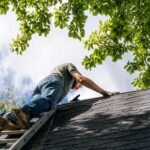
However, don’t climb onto a roof simply to perform a seasonal inspection.
Wet shingles, leaves, frost, steep slopes, and damaged roofing materials can create dangerous conditions.
A professional roofer can inspect areas that aren’t easily visible from the ground and look more closely at roofing transitions, penetrations, flashing, previous repairs, and damaged materials.
When Should You Schedule a Pre-Winter Roof Inspection?
Ideally, before severe winter weather begins.
Waiting until your roof is actively leaking during a winter storm can turn a manageable maintenance issue into an emergency.
A pre-winter inspection gives you an opportunity to:
- Identify existing damage
- Address minor repairs
- Investigate leaks
- Check vulnerable roofing details
- Review previous repairs
- Evaluate the overall condition of an aging roof
Most importantly, it gives you information.
You can make a repair or replacement decision based on the roof’s actual condition rather than reacting to an emergency.
Frequently Asked Questions
Can a small roof leak wait until spring?
It’s generally better to investigate a known leak rather than assume it can wait. Water intrusion can affect materials that aren’t visible from inside the living space.
Does one missing shingle mean I need a new roof?
Not necessarily. Localized damage may be repairable depending on the condition of the surrounding roofing system.
Can you repair a roof during colder weather?
The appropriate repair method depends on the roofing material, weather conditions, temperature, type of damage, and manufacturer requirements. A roofing contractor should evaluate the specific situation.
How do I know whether my roof needs repair or replacement?
Look at the complete picture: location and extent of damage, roof condition, previous repairs, water intrusion, surrounding materials, and whether a repair can provide a dependable long-term solution.
Should I replace my roof just because it’s old?
Not solely because of age. Age should be considered together with the actual condition and performance of the roofing system.
Why does my roof keep leaking after repairs?
Recurring leaks can have several causes. The original source may not have been correctly identified, another roofing component may be failing, or deterioration may exist in surrounding areas. A thorough inspection is necessary to determine the cause.
Get Your Roof Ready for a New Jersey Winter
Your roof doesn’t need to look severely damaged to have a developing problem.
A missing shingle, deteriorated flashing detail, small ceiling stain, clogged drainage system, or recurring leak may be an early warning that deserves attention before winter.
The objective isn’t to scare homeowners into replacing their roofs.
It’s much simpler:
Find small problems while they’re still small.
If you’re unsure whether your roof is ready for winter, Jar Roofing Repair can evaluate its condition and help determine whether maintenance, repair, or roof replacement should be considered.
Contact Jar Roofing Repair
Have questions about the condition of your roof? Contact Jar Roofing Repair to learn more about residential roof inspection, repair, installation, and replacement services.
Office: 732-682-5451
Email:
javier@jarrrofingrepair.com
cynthia@jarroofingrepair.com
Jenni@jarroofingrepair.com
Website: https://jarroofingrepair.com/