storm damage roof repair NJ
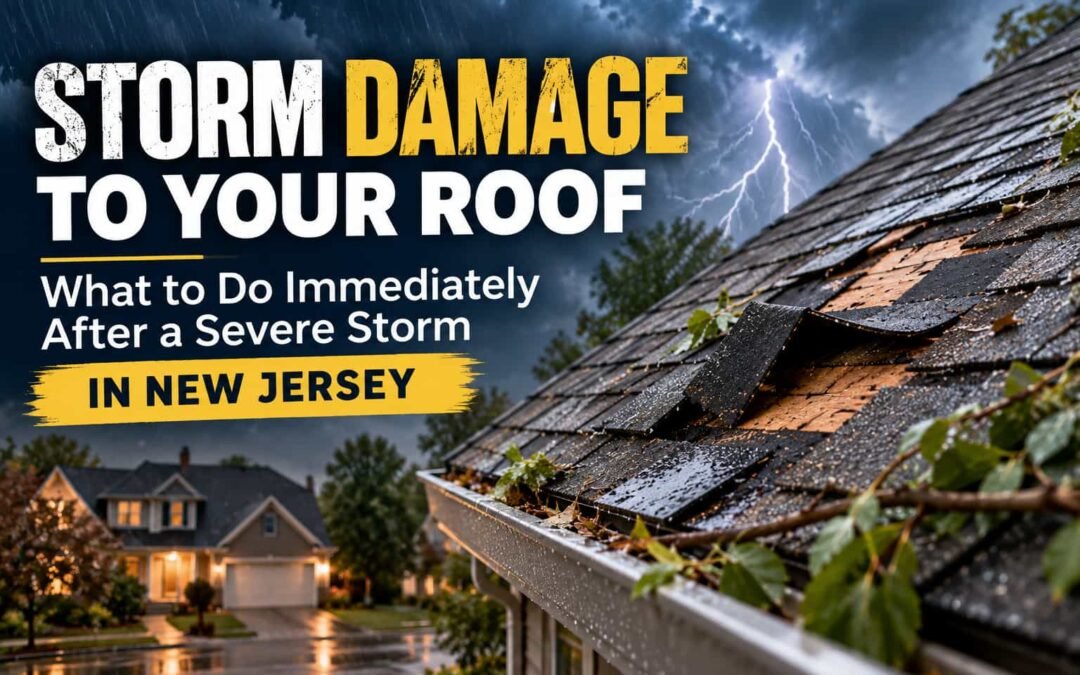
A severe storm can damage a roof in minutes, but not all storm damage is immediately visible. High winds, heavy rain, hail, and falling branches can loosen shingles, damage flashing, compromise gutters, expose roofing materials, and create openings that may eventually allow water into your home. The National Weather Service’s severe weather safety guidance provides additional information about severe storms and related hazards.
If you suspect storm damage to your roof, first make sure your family and property are safe, inspect the home from the ground, document visible damage, check inside for water intrusion, and contact a roofing professional for an inspection. Avoid climbing onto a storm-damaged roof, and don’t wait for an obvious leak before investigating potential damage.
For New Jersey homeowners, acting quickly can help prevent a relatively localized roofing problem from turning into more extensive water damage.
What Can a Severe Storm Do to Your Roof?
When people hear “storm damage,” they often picture a tree crashing through a roof or dozens of shingles scattered across a yard.
Those situations happen, but storm damage can be much less obvious.
A severe storm can affect multiple components of the roofing system, including:
- Asphalt shingles
- Ridge and hip shingles
- Flashing
- Roof penetrations
- Gutters and downspouts
- Fascia
- Roof decking
- Chimney areas
- Vents
- Skylights
The severity of the damage depends on several factors, including the intensity of the storm and the roof’s condition before the storm.
An older or already compromised roof may respond differently than a newer roofing system in good condition.
That’s why the right question after severe weather isn’t simply:
“Is my roof leaking?”
It’s:
“Did the storm compromise any part of my roofing system?”
Step 1: Make Safety Your First Priority
Before thinking about roof repairs, make sure everyone in the home is safe.
If a large tree or branch has fallen onto the house, you notice significant structural movement, electrical lines are involved, or part of the roof appears unstable, stay away from the affected area and contact the appropriate emergency professionals.
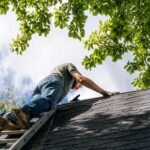
Don’t climb onto the roof to investigate.
A storm-damaged roof may contain:
- Loose shingles
- Wet surfaces
- Hidden structural damage
- Broken branches
- Exposed nails
- Unstable decking
- Electrical hazards
Even a roof that normally feels safe to walk on can become dangerous after severe weather.
Step 2: Inspect the Property From the Ground
Once conditions are safe, walk around your property and look for visible changes.
You don’t need to climb a ladder to perform an initial inspection.
Look for:
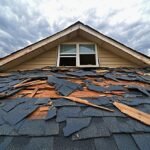
- Missing shingles
- Shingles in the yard
- Lifted roofing materials
- Sections that appear uneven
- Fallen tree limbs
- Damaged gutters
- Detached downspouts
- Loose flashing
- Debris on the roof
- Damage around chimneys
- Visible openings
- Sagging sections
Compare different sides of the house.
Sometimes storm damage is concentrated on the side that experienced the strongest wind or impact.
Don’t See Anything?
That doesn’t necessarily mean there’s no damage.
Some roofing problems are difficult to identify from the ground.
That’s particularly true for lifted shingles, flashing problems, small punctures, compromised seals, or damage around roof penetrations.
If the storm was significant or you notice problems inside the home afterward, a closer professional inspection may be appropriate.
Step 3: Check the Attic for Water Intrusion
Your attic can provide important clues.
If it is safely accessible, inspect it after the storm and during subsequent rainfall.
Look for:
- Active dripping
- Damp insulation
- Wet roof decking
- New water stains
- Moisture around vents
- Water around chimneys
- Darkened wood
- Musty odors
Use a flashlight rather than relying only on attic lighting.
However, don’t touch exposed electrical components or enter an area where there is significant water accumulation or another potential hazard.
Remember: Water Can Travel
One of the biggest mistakes homeowners make is assuming the roof leak must be directly above the ceiling stain.
Water can enter at one location and travel along decking, rafters, fasteners, or other building components before it becomes visible.
A proper roof inspection should attempt to identify the actual entry point, not merely the location where the water finally appeared.
Step 4: Look for New Ceiling and Wall Stains
After checking the attic, inspect the living areas of your home.
Pay attention to:
- Ceilings
- Exterior walls
- Areas around windows
- Closets
- Rooms below roof valleys
- Areas near chimneys
- Upper-floor bathrooms
Potential signs of water intrusion include:
- Brown or yellow stains
- Bubbling paint
- Peeling paint
- Soft drywall
- Damp areas
- Dripping water
- New discoloration
- Musty smells
Take these warning signs seriously even if the amount of water appears small.
A small visible stain doesn’t tell you how much moisture may be present behind the drywall or within the roofing assembly.
Step 5: Document Everything You Find
Before moving or temporarily addressing damaged materials, document the condition of the property when it is safe to do so.
Take photographs or videos of:
- Missing shingles
- Roofing materials in the yard
- Fallen branches
- Gutter damage
- Exterior damage
- Ceiling stains
- Water intrusion
- Damaged personal property
- Visible roof damage from the ground
Also record approximately when the storm occurred and when you first noticed the damage.
Keeping organized records can be helpful if you later need to refer back to the condition of the property or communicate with contractors or your insurance company.
Step 6: Don’t Assume Missing Shingles Are the Only Problem
Missing shingles are easy to understand.
The bigger challenge is damage that isn’t obvious.
A storm may affect roofing components without completely removing them.
For example, shingles can potentially become:
- Lifted
- Creased
- Loosened
- Torn
- Displaced
- Damaged around fasteners
Flashing or roofing accessories may also shift.
A shingle can even appear to have returned to its original position after being lifted during strong winds.
That’s one reason homeowners shouldn’t judge the entire condition of the roof solely from the driveway.
Step 7: Check Gutters and Drainage
Severe storms can fill gutters with leaves, branches, granules, and other debris.
They can also loosen or damage gutter sections.
Check from the ground for:
- Sagging gutters
- Detached sections
- Bent gutters
- Clogged downspouts
- Overflowing water
- Damaged fascia
- Loose connections
- Heavy debris accumulation
Proper drainage becomes especially important after a storm because additional rain may follow.
Water needs a clear path away from the roof and house.
Step 8: Look for Fallen Branches and Impact Damage
Tree damage deserves special attention.
A large branch doesn’t need to penetrate completely through the roof to cause damage.
Impact can potentially affect:
- Shingles
- Roof decking
- Gutters
- Flashing
- Fascia
- Structural components
If a heavy branch is resting on the roof, don’t simply pull it off.
Removing the weight can shift damaged materials or create additional hazards.
Large branches and trees should be handled by qualified professionals.
Step 9: Have the Roof Professionally Inspected
If you suspect storm damage, a professional roofing inspection can help determine the extent of the problem.
The inspection shouldn’t focus only on the most obvious damaged shingle.
A thorough evaluation may include the condition of:
- Shingles
- Roof edges
- Ridge areas
- Flashing
- Chimneys
- Valleys
- Vents and penetrations
- Gutters
- Visible decking
- Previous repairs
- Areas associated with interior water intrusion
The goal is to answer three questions:
What was damaged?
How extensive is the damage?
Can the affected area be properly repaired, or is more extensive roofing work necessary?
Storm Damage Roof Inspection Checklist
| Area | What to Look For | Recommended Action |
|---|---|---|
| Shingles | Missing, lifted, torn or displaced | Professional inspection |
| Roof ridge | Loose or missing material | Evaluate |
| Flashing | Loose, bent or displaced | Repair evaluation |
| Chimney | Damaged surrounding materials | Inspect |
| Gutters | Loose, bent or clogged | Clean/repair |
| Downspouts | Detached or blocked | Restore drainage |
| Trees | Branches on roof | Professional removal |
| Attic | Moisture or active leaks | Investigate immediately |
| Ceilings | New stains or dripping | Identify leak source |
| Walls | Moisture or discoloration | Investigate |
| Roofline | Sagging or unusual movement | Prompt professional evaluation |
Roof Repair or Roof Replacement After a Storm?
Storm damage doesn’t automatically mean you need a new roof.
That’s an important distinction.
Roof Repair May Be Appropriate When:
Damage is limited to a specific area and the surrounding roofing materials remain serviceable.
Examples might include isolated damaged shingles or a localized flashing problem.
Roof Replacement May Need to Be Considered When:
Damage is widespread, multiple areas are compromised, underlying components have been significantly affected, or the existing roofing materials are already deteriorated enough that a dependable repair isn’t practical.
The age of the roof can provide useful context, but age alone shouldn’t determine the answer.
A professional should evaluate the roof’s actual condition.
What About Emergency Roof Repairs?
Some storm damage requires immediate attention.
If water is actively entering the home or part of the roofing system has been exposed, temporary protective measures may be needed before permanent repairs can be completed.
This is where homeowners should be careful.
A temporary solution is exactly that:
temporary.
Covering a damaged area doesn’t diagnose the underlying problem or permanently restore the roofing system.
Once conditions permit, the damage should be properly inspected and repaired.
Should You Call Your Insurance Company?
If you believe your property sustained storm damage, review your homeowners insurance policy and contact your insurer to understand your coverage, documentation requirements, deductibles, deadlines, and claims process.
Coverage varies significantly by policy and circumstances.
A roofing contractor can document observed roofing conditions and provide information about necessary repairs, but your insurance carrier determines whether a particular loss is covered under your policy.
Avoid assuming that every storm-related roof problem will automatically be covered.
Be Careful With Contractors Who Appear Immediately After a Storm
Major storms often bring an increase in roofing solicitations.
Homeowners shouldn’t feel pressured to sign a contract immediately simply because someone says the roof has storm damage.
Before hiring a contractor:
- Verify the business
- Ask for appropriate licensing or registration information
- Request proof of insurance
- Understand the proposed scope of work
- Get the agreement in writing
- Understand payment terms
- Ask whether repair or replacement is actually necessary
- Don’t sign documents you don’t understand
A legitimate roofing recommendation should be based on the condition of the roof—not pressure.
5 Mistakes to Avoid After Roof Storm Damage
1. Waiting for the Next Storm
If you already suspect damage, don’t use another storm as your test.
2. Climbing Onto the Roof Yourself
Storm damage can make roof surfaces unpredictable and unsafe.
3. Assuming No Leak Means No Damage
Some compromised areas may not leak immediately.
4. Repairing Only the Interior Stain
Fixing drywall or repainting a ceiling doesn’t correct the source of water intrusion.
5. Automatically Assuming You Need a New Roof
Some storm damage is localized and repairable. Get the roofing system evaluated before making that decision.
Frequently Asked Questions About Storm-Damaged Roofs
How do I know if my roof was damaged by a storm?
Look for missing or damaged shingles, debris on the roof, fallen branches, damaged gutters, new water stains, attic moisture, loose flashing, and changes to the roofline. Some damage requires professional inspection to identify.
Can my roof be damaged without leaking?
Yes. Damage can occur without immediately producing a visible interior leak.
How soon should I inspect my roof after a storm?
Perform a ground-level and interior visual check as soon as conditions are safe. If you notice damage or have concerns after a significant storm, arrange a professional inspection promptly.
Can a few storm-damaged shingles be repaired?
Potentially. Whether repair is appropriate depends on the extent of the damage and the condition of the surrounding roofing materials.
Does storm damage automatically mean roof replacement?
No. Localized damage may be repairable. Widespread or severe damage requires a broader evaluation.
Should I tarp my own damaged roof?
Roof access can be dangerous, especially after a storm. If temporary protection requires climbing onto the roof, consider using qualified professionals.
What should I photograph after a storm?
Document visible roof damage from a safe location, roofing materials on the ground, fallen branches, damaged gutters, water intrusion, ceiling stains, and other affected areas.
Don’t Wait Until the Next Storm Reveals the Damage
One of the biggest risks with storm damage is assuming everything is fine because the roof still looks normal from the street.
A compromised shingle, damaged flashing detail, small puncture, or other vulnerable area may not become obvious until another heavy rainfall arrives.
Finding storm damage early gives you an opportunity to address the problem before additional weather potentially makes it worse.
If your New Jersey home recently experienced severe wind, rain, hail, or falling-tree damage, Jar Roofing Repair can evaluate the condition of the roof and determine whether repair, emergency service, or roof replacement should be considered.
Contact Jar Roofing Repair
For roof inspections, storm damage, residential roof repair, roof installation, or roof replacement, contact Jar Roofing Repair.
Office: 732-682-5451
Email:
javier@jarrrofingrepair.com
cynthia@jarroofingrepair.com
Jenni@jarroofingrepair.com
Website: https://jarroofingrepair.com/