fall roof maintenance NJ
Fall is one of the best times for New Jersey homeowners to inspect and prepare their roofs before colder temperatures, heavy rain, falling leaves, wind, snow, and freezing conditions arrive. The National Weather Service offers forecasts and weather safety resources that can help homeowners prepare for changing conditions throughout the year. Taking care of small roofing problems now can help prevent leaks, water damage, and more expensive emergency repairs later in the year.
At Jar Roofing Repair, we recommend looking beyond whether your shingles simply “look okay.” A roof is a complete system, and problems involving flashing, gutters, penetrations, ventilation, or deteriorated materials can become much more noticeable once fall and winter weather arrive.
If you’re looking for fall roof maintenance in NJ, start with a professional roof inspection, address damaged or missing shingles, check flashing and roof penetrations, clean gutters and downspouts, remove roof debris, and repair existing leaks before colder weather sets in.
Why Fall Roof Preparation Matters in New Jersey
Your roof protects your home throughout the year, but fall introduces a combination of conditions that can expose existing weaknesses.
Leaves and debris accumulate. Rain can reveal leaks. Wind can loosen already-damaged roofing materials. Temperatures begin dropping, and eventually the roof may need to withstand freezing conditions, snow, and ice.
The important point is this:
Fall maintenance isn’t only about preparing for fall—it’s about preparing your roof for winter.
A minor issue that is relatively straightforward to repair in September or October can become a much bigger problem if water repeatedly enters the roofing system and colder weather arrives.
That’s why homeowners shouldn’t wait until they see water dripping from the ceiling before paying attention to their roofs.
1. Start With a Roof Inspection
The first step is determining the roof’s current condition.
You don’t necessarily need a roof replacement simply because your roof is older or has experienced several storms. What matters is the actual condition of the roofing system and whether there are localized problems that should be repaired.
A professional roofing inspection may look for issues such as:
- Missing or damaged shingles
- Cracked or deteriorated roofing materials
- Loose shingles
- Exposed or damaged flashing
- Problems around chimneys and vents
- Damaged pipe boots
- Signs of previous repairs
- Areas vulnerable to water intrusion
- Deteriorated roof penetrations
- Visible sagging or structural concerns
- Signs of moisture entering the attic or home
Finding these problems before winter gives you more time to determine whether a roof repair or roof replacement is appropriate.
2. Don’t Ignore Missing or Damaged Shingles
A few damaged shingles may not look serious from the ground.
However, shingles are part of a layered roofing system designed to direct water away from vulnerable areas of your home.
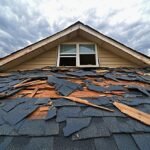
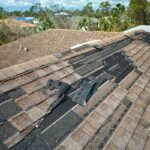
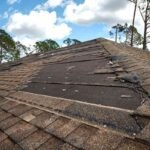
Missing, cracked, lifted, or damaged shingles can expose sections of the roof to additional moisture and weather.
This is especially important before fall and winter storms.
If the damage is localized and the surrounding roofing materials remain in good condition, a roof repair may be possible. If deterioration is widespread, however, a professional roofer should evaluate whether continued repairs make financial sense.
Don’t assume that one damaged area means you need an entirely new roof—but don’t assume it’s safe to ignore it either.
3. Check Your Roof Flashing
Flashing is one of the most important—and frequently overlooked—parts of a roofing system.
It is commonly installed around areas where water needs to be redirected, including:
- Chimneys
- Roof-to-wall transitions
- Vents
- Skylights
- Valleys
- Other roof penetrations and transitions
A homeowner may see a water stain on a ceiling and assume that shingles directly above the stain are leaking.
That’s not always the case.
Water can enter through a vulnerable roofing detail and travel before becoming visible inside the house.
This is one reason diagnosing a roof leak properly is so important.
The location where you see water isn’t necessarily the location where water entered the roof.
4. Clean Your Gutters Before Leaves Become a Problem
Your gutters and roof work together.
Gutters are designed to move rainwater away from the roofline and foundation. During the fall, however, leaves, twigs, pine needles, and other debris can accumulate quickly.
Clogged gutters can prevent water from draining properly.
Before fall is in full swing:
- Remove leaves and debris from the gutters.
- Check downspouts for blockages.
- Make sure gutters are securely attached.
- Look for damaged or separated sections.
- Confirm that water can flow away from the house.
If your property has large trees near the roof, you may need to inspect the gutters more than once during the fall.
5. Remove Leaves and Debris From the Roof
Leaves don’t only accumulate inside gutters.
They can also collect in roof valleys, behind chimneys, around roof penetrations, and in other areas where debris becomes trapped.
When organic debris stays wet, it can hold moisture against roofing materials.
That doesn’t mean homeowners should climb onto their roofs to clean them.
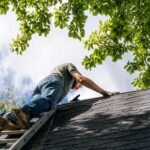
Roof work can be dangerous, particularly on steep, wet, damaged, or debris-covered surfaces. When roof access is necessary, consider having a roofing professional handle the inspection and cleaning.
6. Check Trees and Branches Around Your Roof
Look above the roof as well as at it.
Branches extending over your house can drop leaves and debris onto the roofing system. Dead or weakened branches may also become hazardous during strong winds or storms.
Pay particular attention to:
- Dead branches
- Broken limbs
- Branches touching the roof
- Trees leaning toward the house
- Heavy limbs positioned directly above the roof
For significant tree trimming or potentially dangerous branches, use a qualified tree professional rather than attempting the work yourself.
7. Don’t Wait Until Winter to Investigate a Small Leak
A small ceiling stain is easy to postpone.
That’s a mistake.
The visible stain may only represent one symptom of a larger moisture problem.
If you notice:
- Brown ceiling stains
- Damp attic insulation
- Water around a chimney
- Moisture near vents
- Peeling paint
- Damp walls
- Musty attic odors
- Water appearing during heavy rain
have the source investigated.
The objective isn’t simply to cover the visible symptom. The important question is:
Where is the water actually entering the roofing system?
A proper roof inspection should focus on identifying and correcting the source.
8. Check the Attic for Warning Signs
You can sometimes identify potential roof problems without stepping onto the roof.
Look inside accessible attic areas for signs such as:
- Water stains
- Damp wood
- Wet insulation
- Darkened decking
- Visible daylight through unexpected openings
- Signs of recurring moisture
If you notice anything suspicious, document it and have the area evaluated.
Attic observations can also help a roofing contractor trace a leak back toward its potential source.
9. Pay Attention to Roof Ventilation
Preparing your roof for fall shouldn’t focus exclusively on the exterior.
Attic ventilation is an important part of the roofing system.
Poor ventilation can contribute to excessive heat and moisture accumulation inside an attic. During colder months, moisture management becomes particularly important.
A roofing professional can evaluate visible ventilation components and determine whether there are obvious concerns requiring additional investigation.
10. Review Previous Roof Repairs
Here’s something homeowners often overlook.
Where has your roof been repaired before?
If you’ve had multiple leaks repaired over several years, fall is a good time to look at the history of those problems.
Ask yourself:
- Has the same area leaked more than once?
- Have different areas started leaking?
- How old is the roof?
- Were previous repairs temporary or permanent?
- Are surrounding shingles becoming brittle?
- Are repair costs beginning to accumulate?
One previous repair doesn’t automatically mean you need a roof replacement.
However, repeated failures in different sections can indicate that it’s time to evaluate the condition of the roofing system as a whole.
Fall Roof Maintenance Checklist
| Area to Check | What to Look For | Recommended Action |
|---|---|---|
| Shingles | Missing, cracked, loose or damaged shingles | Schedule inspection/repair |
| Flashing | Loose, damaged or deteriorated areas | Professional evaluation |
| Gutters | Leaves and debris | Clean gutters |
| Downspouts | Blockages or poor drainage | Clear and inspect |
| Roof Valleys | Accumulated debris | Safely remove debris |
| Chimney Areas | Flashing deterioration or signs of leaks | Inspect |
| Roof Vents | Damage around penetrations | Inspect/repair |
| Attic | Moisture, stains or damp insulation | Investigate source |
| Previous Repairs | Recurring leaks or deterioration | Reevaluate |
| Nearby Trees | Dead or overhanging branches | Professional trimming if needed |
Should You Repair or Replace Your Roof Before Winter?
This depends on the condition of the roof.
A roof repair may make sense when damage is limited to a specific area and the surrounding roofing system remains serviceable.
A roof replacement may need to be considered when deterioration is widespread, leaks occur repeatedly in different areas, roofing materials are significantly deteriorated, or continued repairs are unlikely to provide a dependable long-term solution.
Roof age can be useful information, but it shouldn’t be the only factor considered.
The better question is:
What condition is the roofing system actually in today?
A professional inspection can help answer that question.
Frequently Asked Questions About Fall Roof Maintenance
When should I have my roof inspected for fall?
Ideally, schedule an inspection before colder winter conditions arrive. This provides an opportunity to identify and address problems before snow, ice, and freezing temperatures complicate the situation.
Do I need a new roof if I have a leak?
Not necessarily. Some roof leaks originate from localized problems that may be repairable. The cause, location, extent of damage, roof condition, and surrounding materials should be evaluated before deciding between repair and replacement.
Can clogged gutters cause roofing problems?
Clogged gutters can interfere with proper drainage and allow water to accumulate where it shouldn’t. Keeping gutters and downspouts clear is an important part of fall exterior maintenance.
Should I climb onto my roof to inspect it?
It’s safer to inspect what you can from the ground and from accessible interior areas. Roofs can be dangerous, especially when wet, steep, damaged, or covered with leaves. Leave close-up roof inspections to trained professionals when appropriate.
What should I do if my roof has already leaked?
Don’t wait for the next storm to see whether it happens again. Have the source of the water intrusion evaluated and determine whether the affected area needs repair.
Prepare Your New Jersey Roof Before Winter Arrives
Fall is an excellent opportunity to take care of your roof before harsher winter weather arrives.
Clean gutters. Pay attention to damaged shingles. Look for signs of water intrusion. Check previous repair areas. Address potentially dangerous branches. Most importantly, don’t ignore small problems simply because your roof isn’t actively leaking today.
Preventive roof maintenance can help identify vulnerabilities before they become emergency roofing problems.
If you’re concerned about the condition of your roof, Jar Roofing Repair can inspect the roofing system and help determine whether maintenance, repair, or replacement should be considered.
Contact Jar Roofing Repair
Have questions about your roof or want to have it evaluated before fall and winter weather?
Jar Roofing Repair
Office: 732-682-5451
Email:
javier@jarrrofingrepair.com
cynthia@jarroofingrepair.com
Jenni@jarroofingrepair.com
Website: https://jarroofingrepair.com/