wind damage roof repair NJ
A strong windstorm can damage your roof without leaving an obvious hole or major leak. Missing shingles are easy to notice, but lifted shingles, damaged flashing, loosened roofing materials, and small openings that allow water intrusion can be much harder to see from the ground.
After strong winds, New Jersey homeowners should visually check their roof for missing, lifted, creased, or damaged shingles, displaced flashing, fallen branches, gutter damage, and signs of water intrusion inside the home. The National Weather Service provides guidance on wind safety and the potential damage caused by strong winds, making post-storm inspection an important step for homeowners. If anything looks unusual—or if you cannot safely see the roof—a professional roof inspection can help determine whether you need a localized repair or more extensive roofing work.
Jar Roofing Repair provides storm-damage services throughout New Jersey and handles problems including wind-damaged shingles, flashing, leaks, fallen-tree damage, and other storm-related roofing issues.
Can Wind Damage a Roof Without Blowing Shingles Off?
Yes.
This is one of the most important things homeowners should understand about wind damage.
A roof doesn’t need to have shingles scattered across the yard to have suffered damage.
Strong winds can place pressure on vulnerable areas of the roofing system and may lift or loosen shingles without completely removing them. A shingle can settle back into approximately its original position after the storm, making the damage difficult to identify from the ground.
This means the roof may appear relatively normal while a compromised area is more vulnerable to future rain and wind.
The condition of the roof before the storm also matters. An older or previously damaged roofing system may react differently to wind than a newer roof in good condition.
1. Missing Shingles
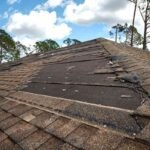
Missing shingles are one of the easiest signs of wind damage to identify.
After a storm, walk around your property from the ground and look for obvious areas where roofing material appears to be missing.
Also look around the property for shingles or pieces of roofing material that may have landed:
- In the yard
- Near the driveway
- Around bushes
- Near neighboring properties
- Around gutters and downspouts
A few missing shingles don’t automatically mean the entire roof needs replacement.
The contractor should evaluate the extent of the damage and the condition of the surrounding roofing system before making that determination.
2. Lifted or Creased Shingles
This is where wind damage becomes more difficult for homeowners to recognize.
Wind may get underneath a shingle and lift it without completely removing it.
The shingle may subsequently settle back down.
From the driveway, everything may look normal.
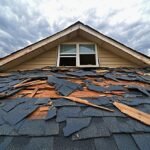
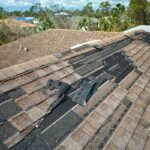
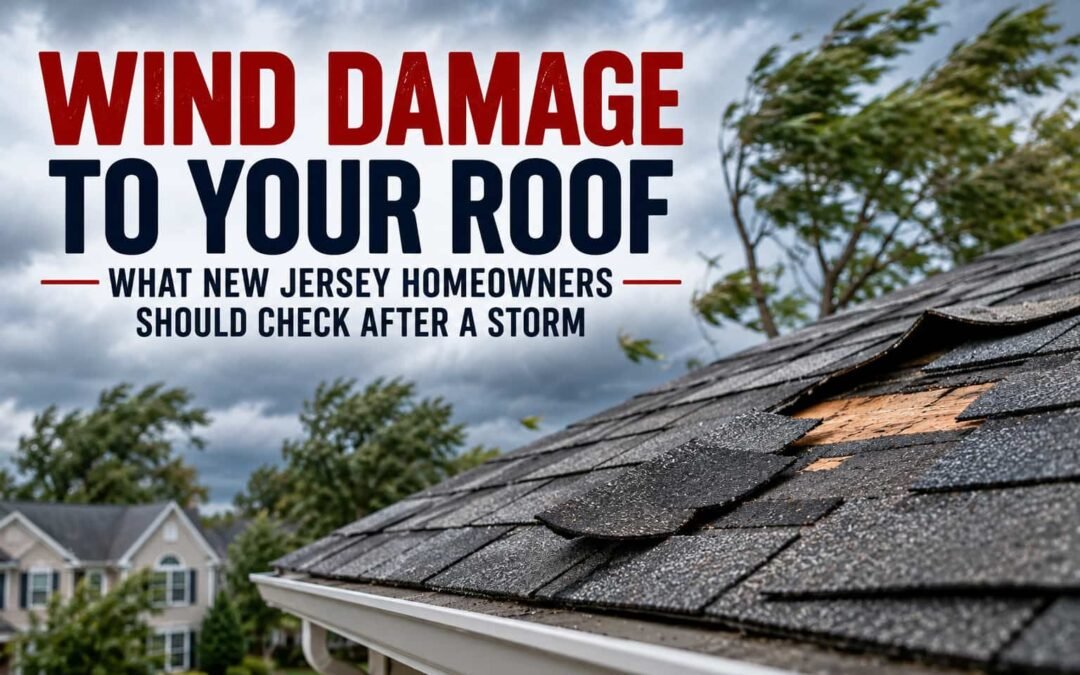
However, shingles that have been lifted, folded, creased, or otherwise compromised deserve closer evaluation. Wind-damaged shingles can include lifted edges, creases, missing sections and exposed fasteners.
This is one reason a quick glance from the street isn’t always enough after a significant storm.
3. Check the Roof Edges and Ridge
Wind doesn’t necessarily affect every part of a roof equally.
Roof edges, corners, ridges, and other exposed areas can deserve particular attention after strong winds.
Look for anything that appears:
- Lifted
- Loose
- Missing
- Uneven
- Displaced
- Different from neighboring sections
Again, don’t climb onto the roof to investigate.
Take photographs from the ground if possible and let a roofing professional inspect areas that require roof access.
4. Look for Flashing Damage
Shingles aren’t the only roofing components that can be affected during a storm.
Flashing is used around important roof transitions and penetrations, including areas near:
- Chimneys
- Roof-to-wall transitions
- Vents
- Skylights
- Valleys
- Other penetrations
Loose or damaged flashing can create a pathway for water.
Jar Roofing Repair specifically identifies damaged flashing among the common forms of wind-related storm damage it repairs.
A homeowner may not notice the problem until the next heavy rainfall.
That’s why the absence of an immediate leak doesn’t necessarily prove that the roof escaped the storm without damage.
5. Check for Fallen Branches
After a storm, don’t only look at the shingles.
Look at what’s around the roof.
Branches can scrape roofing materials, damage gutters, puncture portions of a roofing system, or cause more significant structural damage.
Jar Roofing Repair notes that fallen trees and branches can cause punctures and even structural roof damage during storms.
If a large tree or branch has landed on the roof, don’t attempt to remove it yourself.
The roof and surrounding structure should be evaluated for safety and damage.
6. Inspect Gutters and Downspouts
Your gutters can also provide clues about what happened during the storm.
From the ground, look for:
- Loose gutters
- Sections pulling away from the house
- Bent gutters
- Damaged downspouts
- Debris accumulation
- Roofing material inside or around the gutter
- Sections damaged by fallen branches
Gutter damage can interfere with drainage and may also indicate that other portions of the roof experienced significant storm exposure.
7. Look Inside the Attic
Some storm damage becomes easier to detect from inside the house.
If your attic is safely accessible, look for:
- New water stains
- Damp roof decking
- Wet insulation
- Moisture around penetrations
- Dripping water
- Areas that appear darker than before
- Unusual daylight entering through the roof
If possible, compare what you see with previous conditions.
A stain doesn’t always prove that water entered during the most recent storm, but new moisture after heavy wind and rain deserves investigation.
8. Watch Your Ceilings and Walls After the Storm
Not every roof leak appears immediately.
After a major storm, continue watching interior areas over the following days, especially during subsequent rainfall.
Possible warning signs include:
- Brown ceiling stains
- Peeling paint
- Bubbling drywall
- Damp walls
- Water around windows or exterior walls
- Musty odors
- Visible dripping
Don’t simply paint over a water stain.
The important question is:
Where did the water come from?
Water can travel from its original entry point before becoming visible inside the home.
Finding the source is more important than treating the cosmetic symptom.
Roof Wind Damage Checklist for New Jersey Homeowners
| What to Check | Possible Warning Sign | What to Do |
|---|---|---|
| Shingles | Missing shingles | Schedule an inspection |
| Shingles | Lifted or creased sections | Professional evaluation |
| Roof edges | Loose or displaced materials | Inspect promptly |
| Ridge | Missing or damaged materials | Professional inspection |
| Flashing | Loose or displaced flashing | Repair evaluation |
| Gutters | Bent, loose or detached sections | Inspect and repair |
| Trees | Branches touching or on roof | Professional removal/evaluation |
| Attic | New moisture or stains | Investigate source |
| Ceilings | New water stains | Check for roof leak |
| Roof deck | Visible sagging or damage | Prompt professional evaluation |
Should You Climb Onto the Roof After a Storm?
No homeowner needs to climb onto a roof simply to perform a basic storm check.
You can gather useful information safely from the ground.
Walk around the property and take photographs of anything suspicious.
If you find shingles in the yard, photograph them.
If you notice a damaged section, photograph it from a safe location.
If water entered the house, photograph the affected interior areas as well.
Then have areas that require roof access evaluated by a professional.
A roof may be wet, loose, damaged, or structurally compromised after severe weather, making walking on it particularly hazardous.
Does Wind Damage Mean You Need a New Roof?
Not necessarily.
This is an important distinction.
A roof with localized wind damage may potentially be repaired when the surrounding roofing system remains in good condition.
Replacement becomes a different conversation when damage is widespread, roofing materials are already significantly deteriorated, multiple roof sections have been compromised, or a durable repair isn’t practical.
New Jersey’s own residential construction standards recognize lifted, curled, torn shingles and roof/flashing leaks as distinct roofing deficiencies, illustrating why the specific condition matters rather than treating every roofing problem the same way.
The decision should be based on an inspection of the actual roof—not simply the fact that a storm occurred.
Repair vs. Replacement After Wind Damage
Ask these questions:
Is the damage isolated?
A few damaged shingles in one area are very different from damage across multiple roof slopes.
What condition was the roof in before the storm?
An otherwise serviceable roof may offer more repair options than a roofing system already experiencing widespread deterioration.
Are the surrounding shingles still serviceable?
A repair needs suitable surrounding material.
Is there damage underneath the shingles?
The visible roofing material isn’t the only concern. Water intrusion or damage to underlying components can change the scope of the repair.
Can the damaged area be repaired properly?
The goal shouldn’t simply be to make the roof look normal again.
The repair should restore the affected area’s ability to protect the home.
What Should You Do Immediately After a Major Windstorm?
Follow this simple process:
Step 1: Walk around the property from the ground.
Step 2: Photograph visible damage.
Step 3: Look for roofing materials or shingles on the ground.
Step 4: Check accessible attic areas for new moisture.
Step 5: Look at ceilings and walls for new stains.
Step 6: Avoid climbing onto the roof.
Step 7: Schedule a professional inspection if you see damage or suspect something is wrong.
Jar Roofing Repair offers storm-damage inspection and repair services and identifies wind, heavy rain, fallen branches, snow and ice among the storm conditions its team handles.
Frequently Asked Questions About Wind-Damaged Roofs
How can I tell if wind damaged my roof?
Look for missing shingles, lifted or displaced roofing materials, damaged flashing, gutter damage, fallen branches, and new signs of water intrusion. Some wind damage can be difficult to see from the ground, so professional inspection may be appropriate after significant storms.
Can a roof leak days after a windstorm?
It’s possible for roof damage to exist before water becomes visible inside the home. A compromised area may become noticeable during later rainfall.
Can only a few missing shingles be repaired?
Potentially. The contractor needs to evaluate the surrounding roofing materials, extent of damage, roof condition, and whether a durable repair can be completed.
Should I replace my entire roof after wind damage?
Not automatically. Localized damage and widespread roofing failure are very different situations. A professional inspection can help determine the appropriate scope of work.
Should I inspect my roof myself?
A visual inspection from the ground and accessible interior areas can be useful. Avoid walking on a storm-damaged roof.
What if my roof looks fine after the storm?
Continue watching for interior signs of moisture and consider an inspection when the storm was significant or you have concerns about the roof’s condition. Some storm damage isn’t obvious from the ground.
Don’t Wait for a Small Roofing Problem to Become an Emergency
The best time to identify wind damage is before the next heavy rain exposes it.
Missing shingles are obvious.
Hidden or subtle damage can be more difficult.
That’s why homeowners should pay attention to changes in the roof, attic, ceilings, gutters, flashing, and surrounding property after severe weather.
Jar Roofing Repair provides residential roofing, roof repair, installation and storm-damage services across New Jersey, including communities throughout Monmouth, Middlesex and surrounding areas.
If you’re unsure whether strong winds have damaged your roof, a professional inspection can help determine what happened and whether repair or replacement should be considered.
Contact Jar Roofing Repair
Office: 732-682-5451
Email:
javier@jarrrofingrepair.com
cynthia@jarroofingrepair.com
Jenni@jarroofingrepair.com
Website: https://jarroofingrepair.com/